

For companies like Best Choice Home Inspections it is increasingly important and in the values of the company to support local businesses, their products, services and US manufactured items. In the spirit of entrepreneurship and promotion of local companies we would like to share the below article with you.
Selling your house?

Is Your Electrical Transformer too close to your driveway?
Is Your Electrical Transformer too close to your driveway?
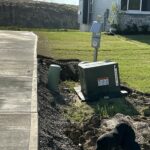
A pad-mounted electrical transformer can be placed near a driveway, but it requires specific clearance zones for safety and utility access. The required distance varies depending on local utility regulations, but a standard configuration is 10 feet of clearance in front and 4 feet on the sides and back.
These are general safety guidelines for a green pad-mounted transformer box, but always confirm the exact requirements with your local utility provider before planning any construction or landscaping.
- 10 feet of clearance in front: This is the side with the lock and access doors that utility workers need to open and work in. This space is critical for using long tools (“hot sticks”) to safely work on energized equipment.
- 4 feet of clearance on the sides and back: This space allows for air circulation, which prevents the transformer from overheating.
- 10 feet of vertical clearance: A minimum overhead clearance is also necessary for safety.
Polybutylene for Inspectors


by Nick Gromicko, CMI® and Kenton Shepard
Polybutylene (PB) was a plastic manufactured between 1978 and mid-1995 for use as piping in home plumbing systems. It was inexpensive and offered plenty of advantages over other materials, such as flexibility, ease of installation, resistance to freezing. Pipes made from polybutylene were installed in up to 10 million homes in the Unites States during that period. Read More